
Historisch overnachten in Nederland: alles wat je weet
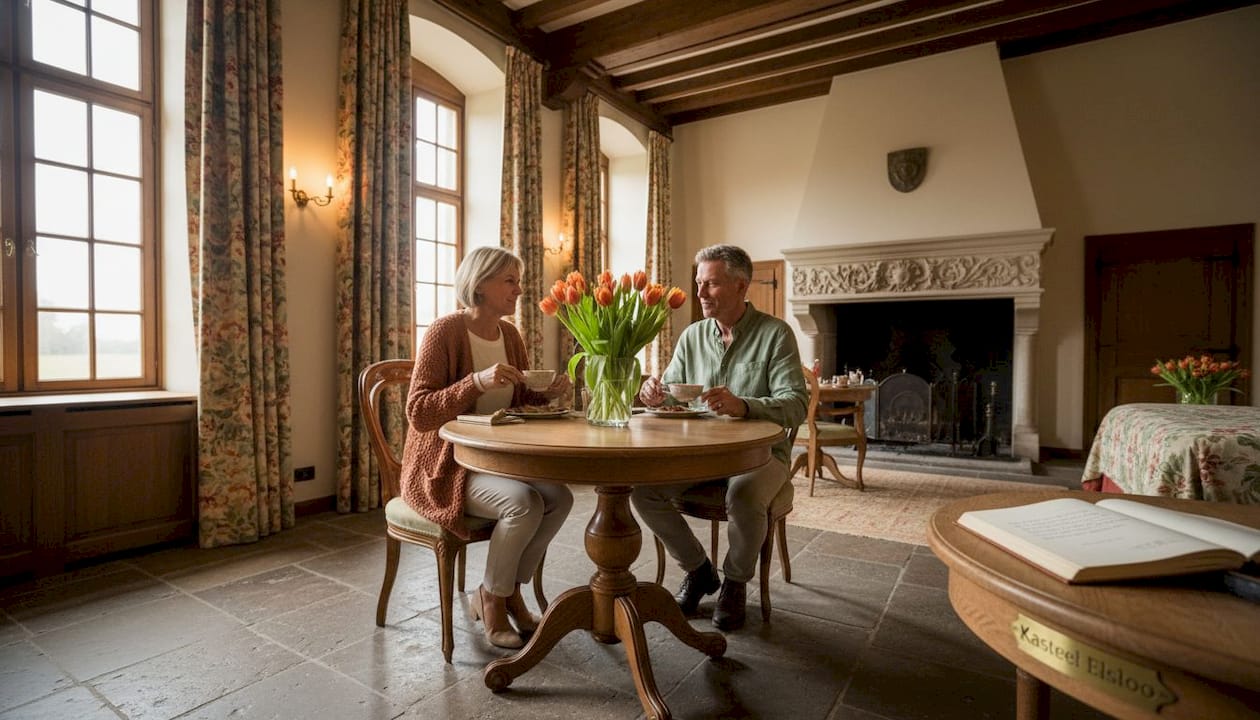
Stel je voor: je wordt wakker tussen dikke stenen muren, kijkt uit over een kasteelgracht en ruikt de geur van eeuwen geschiedenis. Dat is een heel andere ervaring dan de vertrouwde hotelkamer met zijn witte lakens en vlakke tv aan de muur. Steeds meer reizigers en historische liefhebbers ontdekken dat een overnachting in een kasteel, vesting of monumentaal gebouw hun reisbeleving compleet verandert. In dit artikel leer je precies wat historisch overnachten inhoudt, welke locatietypen er zijn, waar je op moet letten bij het boeken, en hoe je de meest authentieke adressen van de marketingtruc onderscheidt.
Inhoudsopgave
- Wat betekent historisch overnachten in Nederland?
- Welke soorten locaties kun je kiezen?
- Praktische aandachtspunten en typische voorzieningen
- Zo herken je echt unieke en betrouwbare adressen
- Tips voor zoeken en boeken van jouw historische droomverblijf
- Onze visie: waarom een historische overnachting méér is dan een mooi decor
- Zelf ervaren? Ontdek unieke historische overnachtingen bij Kasteel Elsloo
- Veelgestelde vragen over historisch overnachten
Belangrijkste Inzichten
| Punt | Details |
|---|---|
| Echte historische beleving | Je slaapt daadwerkelijk in monumentaal erfgoed, niet slechts in de buurt ervan. |
| Verschillende locatie-types | Van kastelen tot watertorens: er zijn allerlei historische plekken voor elke smaak en budget. |
| Check voorzieningen vooraf | Verwacht niet altijd alle moderne luxe, maar geniet van authentieke details en sfeer. |
| Wees kritisch bij je keuzes | Kijk goed naar de bron van aanbiedingen en kies officiële en betrouwbare adressen. |
| Zoek slim en gericht | Combineer slimme zoektermen met bekende platforms voor het vinden van jouw droomovernachting. |
Wat betekent historisch overnachten in Nederland?
Historisch overnachten is meer dan slapen in een oud gebouw. Het gaat om een verblijf waarbij het historische karakter van de locatie centraal staat en actief wordt verweven met de beleving van de gast. De locatie is geen decor maar het onderwerp zelf.
Volgens de definitie die in Nederland gangbaar is, betekent historisch overnachten in de praktijk: slapen in of direct aan een historisch gebouw of erfgoedlocatie zoals een kasteel, vesting of monumentaal gebouw, waarbij het verblijf het historische karakter integreert met moderne voorzieningen. Die combinatie is de kern. Je wilt de sfeer van vroeger ervaren, maar je hoeft niet te verzaken aan een goed bed, warm water of lekker ontbijt.
De kenmerken die een historisch verblijf onderscheiden van een gewone hotelkamer zijn duidelijk te benoemen:
| Kenmerk | Historisch verblijf | Standaard hotel |
|---|---|---|
| Gebouw | Monumentaal, erfgoedstatus | Modern of functioneel |
| Sfeer | Authentiek, verhalend | Neutraal, functioneel |
| Interieur | Originele details bewaard | Eigentijds en uniform |
| Comfort | Modern maar aangepast | Volledig eigentijds |
| Beleving | Cultuurhistorisch | Praktisch en efficiënt |
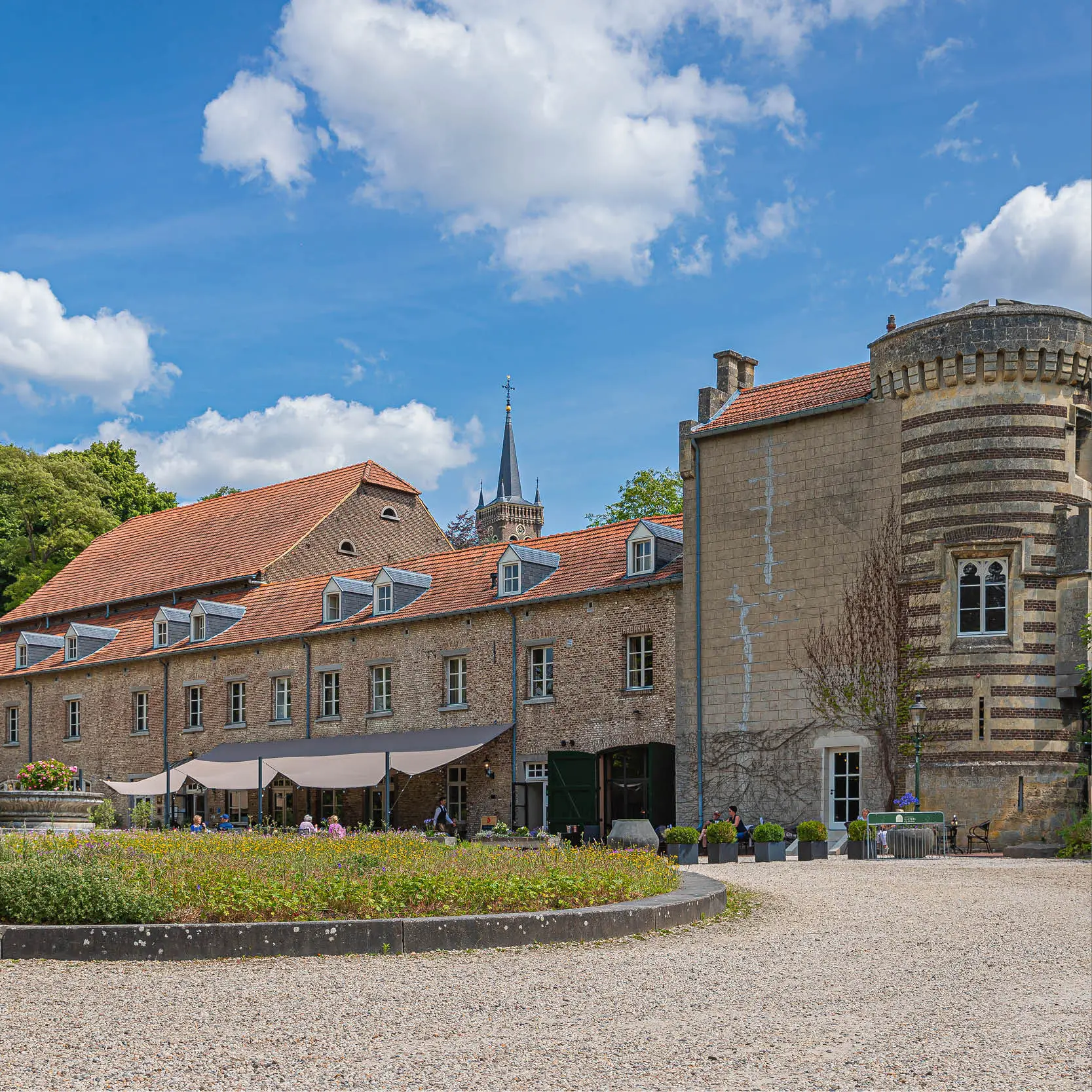
Voorbeelden van locatietypen die in Nederland vallen onder historisch overnachten zijn kasteelhotels, voormalige vestingwerken zoals Vesting Bourtange, kerken die zijn omgebouwd tot bed and breakfast, monumentale watertorens en herenhuizen met rijksmonumentenstatus. Elk van die locaties heeft zijn eigen verhaal, zijn eigen architectuur en zijn eigen sfeer.
“Gasten die voor het eerst in een historisch gebouw slapen, beschrijven het bijna altijd als een bijzondere ervaring die veel langer blijft hangen dan een verblijf in een gewoon hotel. Het gevoel van verbinding met het verleden is iets wat niet te kopiëren valt.”
Als je de combinatie zoekt van een bijzonder verblijf en verfijnde activiteiten, is een wijnproeverij in een kasteel een uitstekend voorbeeld van hoe historie en beleving samenkomen in één onvergetelijke avond.
Welke soorten locaties kun je kiezen?
Nu je de definitie kent, volgt de keuze: welke soorten locaties zijn er eigenlijk? Nederland heeft een verrassend breed aanbod. Veel mensen denken direct aan kastelen, maar er zijn nog veel meer mogelijkheden.
Heritage hotels zijn accommodaties die expliciet worden gepositioneerd als verblijven in historisch erfgoed, bijvoorbeeld voormalige paleizen, kantoorgebouwen uit de 19e eeuw of monumentale panden in stadscentra. De bekende Hotel Des Indes in Den Haag is hiervan een mooi voorbeeld. Het hotel opende zijn deuren in 1881 en herbergt nog altijd de originele traphal, kroonluchters en marmeren vloeren.
Naast heritage hotels zijn er:
- Kasteelhotels: verblijven in of aan een historisch kasteel, soms met gracht, torensuites en kasteeltuinen
- Vestingaccommodaties: slapen binnen de muren van een historische vesting, zoals Bourtange in Groningen
- Kerkhotels: voormalige kerken die zijn omgebouwd tot sfeervolle hotelkamers met hoge gewelven
- Watertorens: monumentale watertorens met panoramische kamers hoog boven de stad
- Historische boerderijen: 17e en 18e eeuwse boerderijcomplexen met originele schuren en vakwerk
| Type locatie | Bijzonder kenmerk | Geschikt voor |
|---|---|---|
| Kasteelhotel | Gracht, toren, historie | Romantisch verblijf, gezin |
| Vesting | Stadsmuren, cultuurhistorie | Avonturiers, cultuurliefhebbers |
| Kerkhotel | Hoge gewelven, orgelkast | Stilte, bezinning, uniek design |
| Watertoren | Hoogte, panorama | Stadsbeleving, bijzondere foto’s |
| Historische boerderij | Landelijkheid, vakwerk | Rust, natuur, authentiek platteland |
Pro-tip: Kijk altijd goed of je daadwerkelijk in het monument slaapt en niet slechts ernaast. Sommige accommodaties adverteren met een historisch pand maar hebben de kamers ondergebracht in een modern aanbouw achter of naast het originele gebouw. Vraag dit expliciet na bij het boeken.
Als je specifiek geïnteresseerd bent in de rijke kasteelcultuur van het zuiden van het land, lees dan meer over bijzondere kastelen in Limburg of bekijk een overzicht van kasteelhotels in Limburg om inspiratie op te doen voor jouw volgende verblijf.
Praktische aandachtspunten en typische voorzieningen
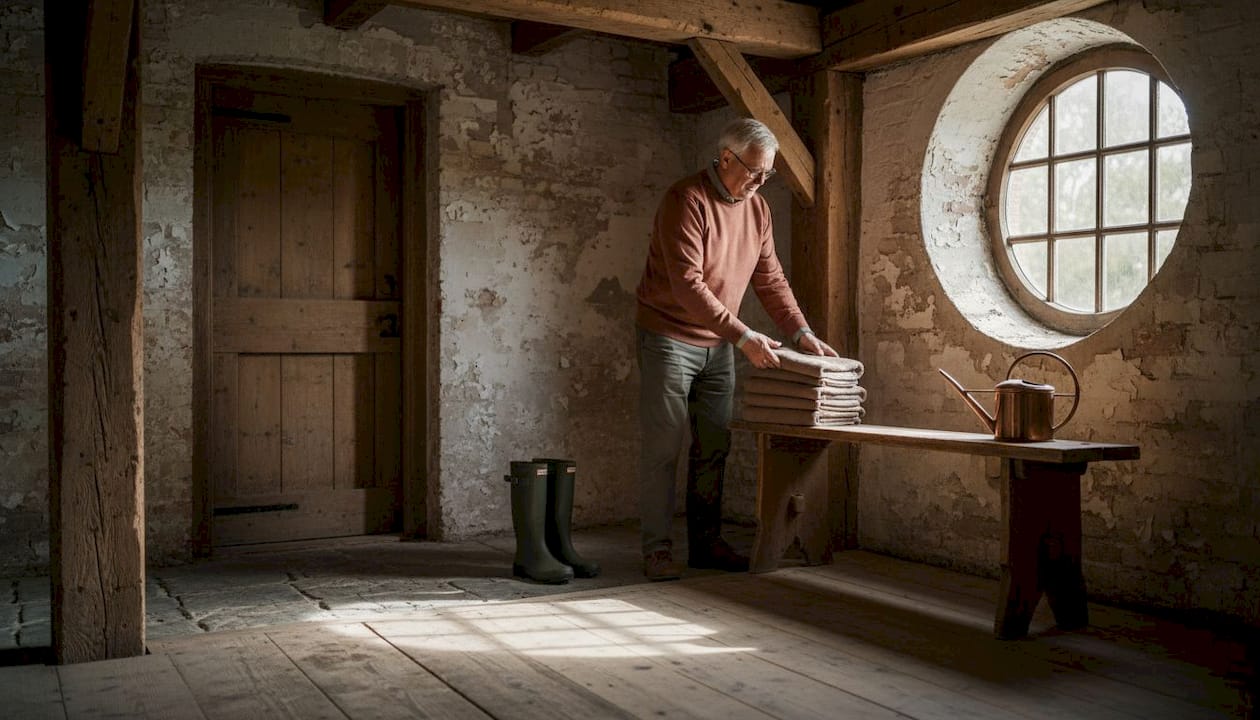
Eenmaal een bijzondere locatie gevonden, is het handig te weten waar je qua comfort op moet letten. Want een historische overnachting brengt soms kleine verrassingen met zich mee, en dat is lang niet altijd erg.
De meest voorkomende praktische aandachtspunten bij historische accommodaties zijn:
- Trappen en drempels: Veel historische gebouwen hebben steile, smalle trappen en hoge drempels. Dit kan een uitdaging zijn voor mensen met beperkte mobiliteit.
- Kamerindeling: Ruimtes in oude gebouwen zijn vaak onregelmatig van vorm. Soms vind je een badkamer om de hoek, een plafond dat afloopt of een raam op een onverwachte plek.
- Geluid: Dikke muren kunnen isoleren, maar houten vloeren en historische constructies geleiden geluid soms juist heel goed. Verwacht geen volledige stilte als in een modern hotel.
- Temperatuur: Airconditioning ontbreekt in veel historische gebouwen, zowel om technische als om monumentale redenen. In de zomer kan dat betekenen dat het ’s middags warm is; in de winter warmen de dikke muren juist goed.
- Parkeergelegenheid: Historische locaties liggen vaak in historische stadscentra of op het platteland, met beperkte parkeermogelijkheden.
Bij historisch overnachten gelden soms praktische randvoorwaarden zoals kamer- en bedindeling en voorzieningen. Authentieke kamers kunnen beperkingen hebben, zoals een gebrek aan föhn op historische slaapvertrekken. Dat klinkt misschien als een nadeel, maar veel gasten ervaren het juist als onderdeel van de authentieke beleving.
Interessant gegeven: uit onderzoek naar bijzondere accommodaties blijkt dat meer dan 70 procent van de gasten die eenmaal in een historisch pand hebben geslapen, aangeeft dat ze dat liever herhalen dan kiezen voor een standaard hotelkamer in dezelfde prijsklasse. De beleving weegt zwaarder dan de kleine ongemakken.
Checklist bij het boeken van een historisch verblijf:
- Vraag naar toegankelijkheid als trappen een bezwaar zijn
- Controleer of voorzieningen zoals badkamer, wifi en verwarming aanwezig zijn
- Informeer naar parkeermogelijkheden, zeker buiten de stad
- Lees recensies van vorige gasten over de specifieke kamer die je boekt
- Check of het ontbijt is inbegrepen of apart geboekt moet worden
- Vraag naar de aankomst- en vertrekprocedure, die is in kleine monumentale panden soms net anders
Pro-tip: Neem bij twijfel altijd direct contact op met de locatie. Zeker bij herbestemde objecten zoals een watertoren of kerkhotel weten de beheerders precies wat jouw verblijf bijzonder maar ook anders maakt dan een gewone hotelkamer.
Als je twijfelt of een kasteelhotel de juiste keuze is, kun je ook kijken naar kasteelhotel-alternatieven die een vergelijkbare sfeer bieden met andere kenmerken.
Zo herken je echt unieke en betrouwbare adressen
De juiste locatie kiezen lukt nog beter met een kritische blik op de bronnen en adressen die je tegenkomt. Want het internet staat vol met lijstjes en overzichten, maar lang niet alle zijn even betrouwbaar of redactioneel onafhankelijk.
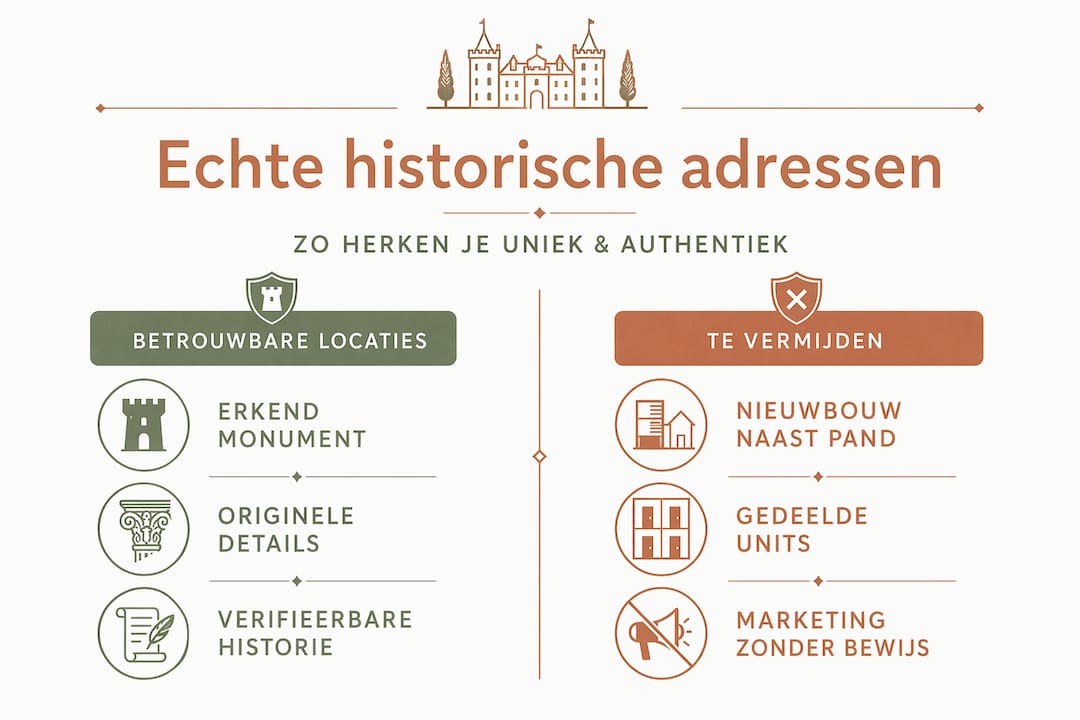
Voorzichtigheid is nodig bij het interpreteren van lijsten met historische accommodaties. Sommige bronnen zijn echte gidsen of uitgevers met redactionele toetsing, maar andere pagina’s zijn meer marketinggericht en minder redactioneel. Dat betekent niet dat ze onbetrouwbaar zijn, maar je moet weten wat je leest.
Hoe herken je een betrouwbaar adres? Let op de volgende signalen:
- Officiële erfgoedstatus: Staat het gebouw op de Rijksmonumentenlijst of in een beschermd stadsgezicht? Dat is een objectief kenmerk dat niet te kopen is.
- Onafhankelijke recensies: Platforms met geverifieerde gastenbeoordelingen geven een eerlijker beeld dan de website van de locatie zelf.
- Redactionele vermelding: Wordt de locatie besproken in een reismagazine, erfgoedorganisatie of onafhankelijke reisgids, of staat het op een gesponsorde advertentiepagina?
- Transparantie over het gebouw: Betrouwbare locaties vertellen openlijk over de geschiedenis van het pand, de beperkingen en de bijzonderheden.
- Keurmerken: Keurmerken van toerismebureaus of erfgoedorganisaties zijn een extra aanwijzing voor kwaliteit en authenticiteit.
“Een goed historisch verblijf hoeft zich niet te verstoppen achter marketingtaal. Als de locatie echt bijzonder is, vertelt het gebouw zijn eigen verhaal. Zoek naar plekken die hun erfgoedstatus met trots en transparantie communiceren, niet alleen als verkoopargument maar als kernidentiteit.”
Als je naast een bijzonder verblijf ook een vergadering of zakelijke bijeenkomst plant in een historische setting, zijn er uitstekende mogelijkheden voor overnachten en vergaderen in Limburg die beide werelden combineren.
Tips voor zoeken en boeken van jouw historische droomverblijf
Ben je geïnspireerd geraakt? Gebruik deze aanpak om zelf een authentiek adres te vinden. Met de juiste zoekstrategie kom je veel verder dan met een standaard zoekopdracht.
Voor liefhebbers van kastelen, vestingwerken en herbestemde religieuze gebouwen is een goede zoekstrategie: combineer specifieke zoektermen zoals “overnachten in” plus het type locatie (kasteel, vesting, kerk, watertoren) met het bouwjaar of het kenmerk “monument”. Die combinatie filtert de generieke hotellijsten eruit en brengt je direct bij de interessante adressen.
Stapsgewijs zoekplan:
- Begin breed: Zoek op locatietype plus regio, zoals “kasteelhotel Limburg” of “kerkhotel Utrecht”
- Verfijn op erfgoedstatus: Voeg “rijksmonument” of “beschermd stadsgezicht” toe aan je zoekopdracht
- Controleer de website van de locatie: Kijk of het verhaal van het gebouw centraal staat, hoe lang ze al bestaan en of ze open zijn over hun aanpak
- Lees meerdere recensiebronnen: Vergelijk beoordelingen op verschillende platforms voor een compleet beeld
- Neem contact op: Stel concrete vragen over de kamer, het monument en de voorzieningen voordat je boekt
- Vergelijk arrangementen: Veel historische locaties bieden pakketten aan met een rondleiding, diner of activiteit die de historische beleving verdiept
Een praktisch voorbeeld: een zoekopdracht als “overnachten monumentale watertoren 1901” brengt je direct bij specifieke locaties die echt in herbestemde rijksmonumenten zijn gevestigd. De toevoeging van het bouwjaar of de bouwperiode maakt je zoekopdracht veel gerichter dan de term “bijzonder overnachten” alleen.
Wil je het zoeken nog makkelijker maken? Ontdek de mogelijkheden van een kasteel arrangement waarbij alles al voor je is samengesteld, van het verblijf tot de maaltijd en de beleving.
Extra tips voor specifieke erfgoedliefhebbers:
- Geïnteresseerd in militaire historie? Zoek op “vesting” en “kazerne” als locatietype
- Fan van religieuze architectuur? Combineer “klooster” of “abdij” met “overnachten”
- Houd je van industrieel erfgoed? Zoek op “watertoren”, “fabriek” of “molen” als verblijfstype
- Wil je echt in de Middeleeuwen duiken? Filter op “kasteel” met bouwjaar voor 1600
Onze visie: waarom een historische overnachting méér is dan een mooi decor
Nu je weet hoe je een historische overnachting plant, een reflectie waarom deze keuze daadwerkelijk bijzonder is en waarom we denken dat de meeste mensen het belang ervan onderschatten.
Conventionele hotels zijn ontworpen om zo efficiënt en aangenaam mogelijk te zijn. Ze slagen daar uitstekend in. Maar die efficiëntie heeft een prijs: uniformiteit. Of je nu in Amsterdam, Maastricht of Parijs slaapt, een middenklassehotel voelt overal min of meer hetzelfde. Schoon, functioneel, neutraal.
Een nacht in een kasteel of monument breekt met dat patroon. En dat is precies waar de meerwaarde zit. Niet in het gebrek aan föhn, niet in de smalle trap, maar in het gevoel dat je deel uitmaakt van iets groters dan jijzelf. Die gewelfde plafonds zijn niet door een interieurontwerper bedacht voor jouw verblijf. Ze staan er al eeuwen. Dat maakt het verschil.
Wat wij keer op keer zien bij gasten die kiezen voor ervaringen met kasteelhotels, is dat ze niet alleen terugkomen voor het comfort maar voor het verhaal. Ze vertellen aan hun vrienden niet over de zachtheid van het matras, maar over het uitzicht vanuit de torenkamer, over het diner in de ridderzaal, over het gevoel van rust dat de dikke muren geven.
Authenticiteit, ook als die gepaard gaat met kleine ongemakken, biedt echte meerwaarde. Een herinnering die verankerd is in een plek met een rijke geschiedenis is duurzamer dan een herinnering aan een perfecte maar naamloze hotelkamer. Reizigers zijn niet op zoek naar perfectie. Ze zijn op zoek naar betekenis.
Onze tip: kies bewust voor verblijven waar historie geen marketingterm is maar een beleving. Vraag naar het verhaal van het gebouw als je aankomt. Loop ’s avonds door de gang en stel je voor wie daar voor jou heeft gelopen. Laat het gebouw zijn verhaal vertellen. Dat is wat historisch overnachten onderscheidt van alle andere vormen van reizen.
Zelf ervaren? Ontdek unieke historische overnachtingen bij Kasteel Elsloo
Heb je zin gekregen om een historische overnachting zelf te beleven? Dan is Kasteel Elsloo in Limburg een prachtig startpunt. Dit eeuwenoude kasteel combineert authentieke sfeer met modern comfort en biedt een breed scala aan mogelijkheden voor een onvergetelijk verblijf.
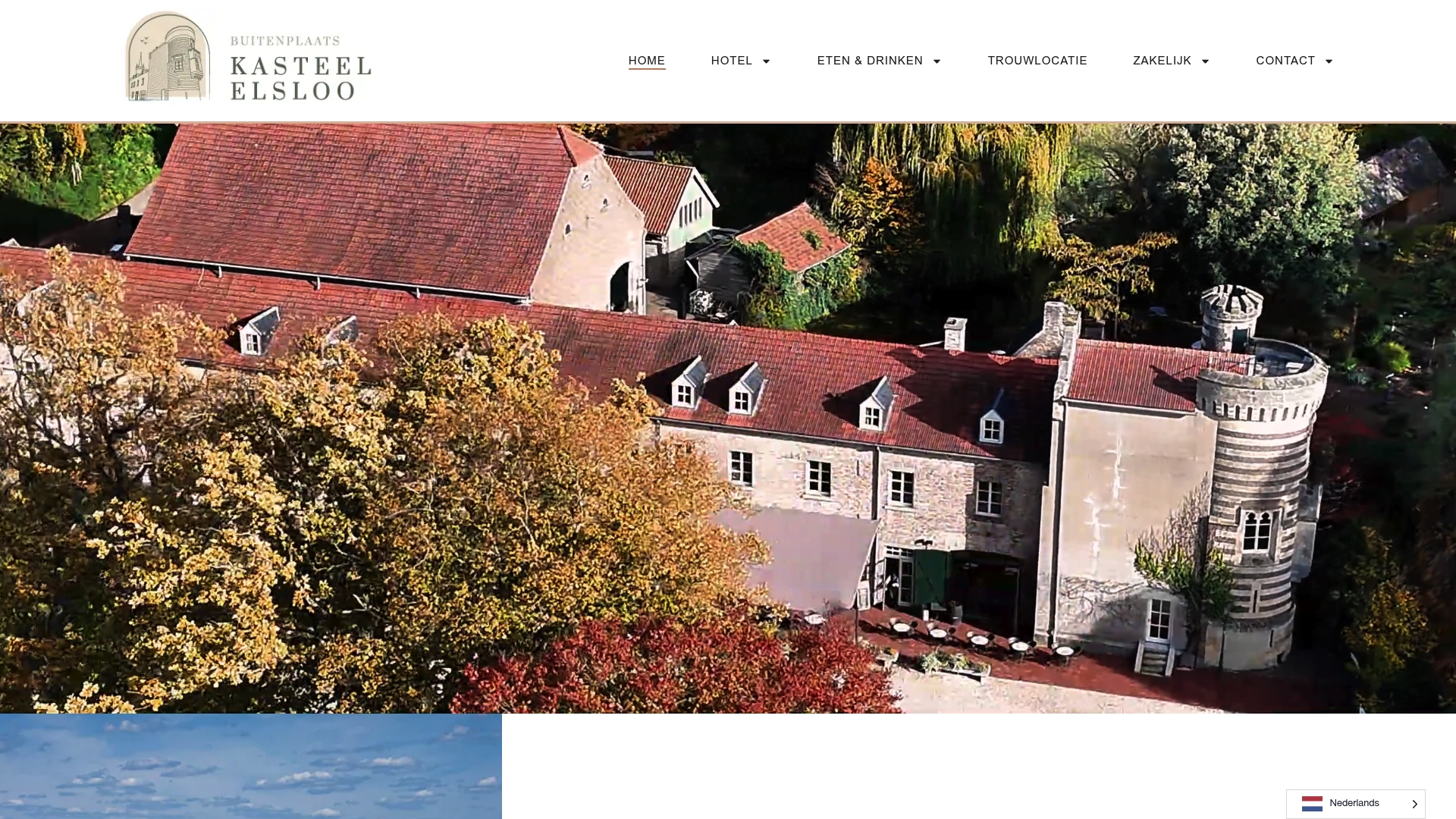
Of je nu kiest voor de indrukwekkende torensuite op Kasteel Elsloo met uitzicht over de omgeving, of een van de andere sfeervolle kamers in het kasteel, je verblijft écht in een historisch monument en niet in een moderne aanbouw ernaast. Bekijk de arrangementen bij Kasteel Elsloo voor complete pakketten die je verblijf verrijken met fine dining, rondleidingen en andere bijzondere ervaringen. Van romantisch weekendje weg tot zakelijke bijeenkomst in een unieke historische setting, Kasteel Elsloo maakt het verschil.
Veelgestelde vragen over historisch overnachten
Wat onderscheidt een historische overnachting van een regulier hotel?
Je slaapt in een gebouw met een uniek verleden waarbij originele details bewaard zijn en het historische karakter centraal staat, gecombineerd met moderne voorzieningen voor hedendaags comfort.
Zijn er voorzieningen waar ik rekening mee moet houden in historische accommodaties?
Ja, authentieke kamers kunnen beperkingen hebben zoals het ontbreken van een föhn of airconditioning, vanwege het behoud van het monument en zijn originele structuur.
Hoe weet ik zeker dat een accommodatie echt historisch is?
Controleer of je daadwerkelijk verblijft binnen het historische object zelf, en niet slechts naast of tegenover het pand. Kijk ook naar officiële erfgoedstatus.
Waar vind ik een overzicht van bijzondere historische accommodaties?
Gebruik een combinatie van redactionele reisgidsen, onafhankelijke platforms en de eigen websites van locaties, want sommige bronnen zijn marketinggericht in plaats van redactioneel onafhankelijk.